Wildfire Preparation and Evacuation: A US Homeowner's Guide
Build your personal emergency plan
Free, no sign-up, takes 5 minutes.
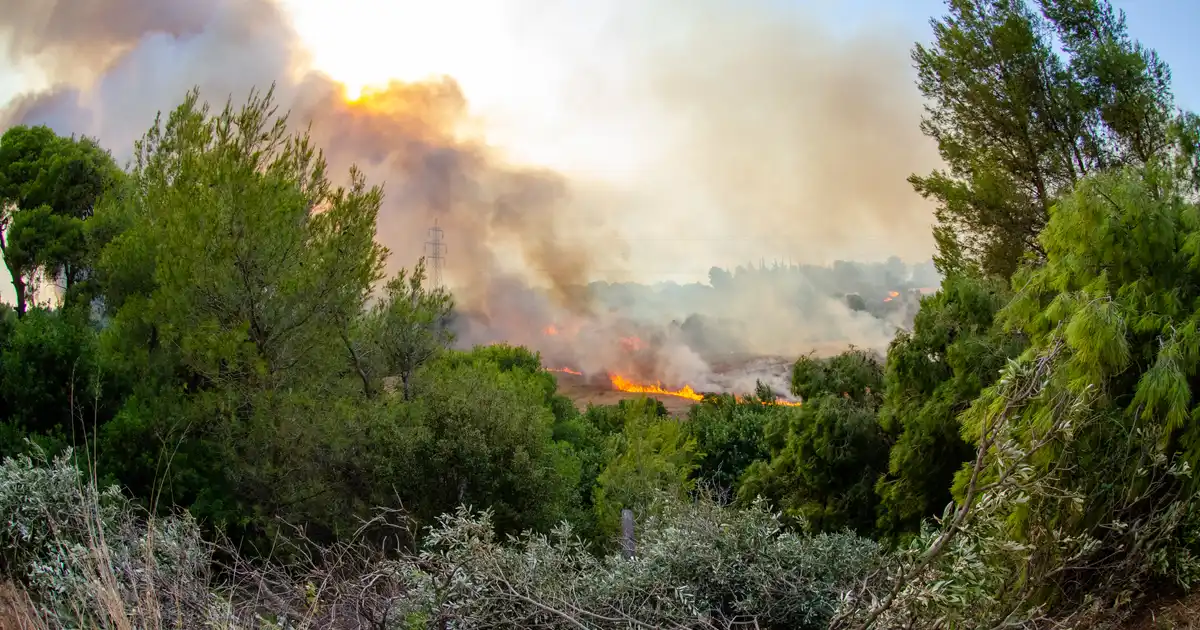
The 2018 Camp Fire incinerated Paradise, California in 4 hours. The 2023 Maui fires killed 100+ in Lahaina with under an hour of warning. The 2025 LA County fires destroyed 16,000 structures. Wildfires don’t behave like the slow-moving smoke columns in old movies. They explode, jump highways, and arrive with minutes (not hours) of warning.
If you live anywhere in the Western US, the wildland-urban interface (WUI), or anywhere drought conditions exist, wildfire isn’t a question of “if.” It’s “when.” And your level of preparation in May determines what happens in October.
This guide covers what actually works: the defensible space, the go-bag, the evacuation plan, and what to do if you can’t get out in time. Based on FEMA, Cal Fire, NIFC guidance, and lessons from real US fire seasons.
Why wildfire preparation is different
Other disasters give warning. Hurricanes track for days. Tornadoes give minutes via NWS. Earthquakes have early warning systems in some areas.
Wildfires give:
- Days of fire weather warnings (low humidity, high winds, dry vegetation)
- Hours of fire activity in your region
- Minutes between “fire is approaching” and “fire is here”
The 2018 Camp Fire moved at 80 acres per minute at peak. The 2017 Tubbs Fire jumped a 6-lane highway. The 2023 Maui fires raced from grassland to downtown Lahaina in under 2 hours.
Wildfire prep is unique because:
- The kit must be ready BEFORE any warning
- The vehicle must be ready (full tank, in good condition, key in known location)
- The home must be defensible BEFORE fire season starts
- The evacuation route must be planned BEFORE you need it
Defensible space: what saves your home
If firefighters can’t safely defend your house, they won’t try. Their job is to save lives, not buildings. The reason houses burn isn’t that they’re flammable. It’s that the surrounding fuel allows fire to reach them.
Cal Fire and most Western fire codes define three zones:
Zone 1 (0-5 feet from home)
- NO vegetation against the structure
- NO mulch (use gravel or stone)
- NO wooden fences attached to the house
- Remove dead leaves from roof and gutters monthly during fire season
- Clear under decks (this is the most common ignition point)
- No firewood stored against the house
Zone 2 (5-30 feet from home)
- Lawn mowed to under 4 inches and irrigated when permitted
- Trees pruned to 10 feet above ground (no “ladder fuels” connecting ground to canopy)
- Trees spaced 10+ feet apart
- All dead and dying vegetation removed
- No flammable items (firewood piles, propane tanks, gasoline) within this zone
Zone 3 (30-100 feet from home)
- Thinned vegetation (50% of native cover)
- All dead trees and downed wood removed
- Vehicle access for fire crews maintained
- Spacing: dependent on slope (steeper = wider spacing required)
In some California counties (Marin, Sonoma, Napa), Zone 3 extends to 200 feet for high-risk areas. Check your local fire authority’s specific requirements.
Annual maintenance is non-negotiable. Defensible space created in March and ignored until October provides no protection. Most homes that burn in WUI fires had defensible space at construction but neglected maintenance.
Hardening your home
Beyond defensible space, the home itself can be made fire-resistant:
- Roof: Class A fire-rated (composition shingle, metal, tile). Wood shake roofs are death sentences in wildfire areas.
- Vents: 1/8-inch metal mesh on all attic and crawlspace vents (prevents ember entry, the #1 ignition cause)
- Windows: Dual-pane, tempered glass (single-pane shatters from heat, allowing embers in)
- Siding: Stucco, fiber cement, brick (NOT vinyl, which melts)
- Decks: Fire-resistant composite or non-combustible (no wood under-decking)
- Gutters: Metal with covers to prevent debris accumulation
- Eaves: Boxed in, no exposed rafters
For homes in high-risk areas (CAL FIRE, OFRG, etc. designated), home hardening can be the difference between losing everything and minor smoke damage. Cost: $5,000-$30,000+ depending on starting point. Insurance discounts and California state incentives may offset.
The wildfire go-bag
Standard 72-hour kit PLUS wildfire-specific items. Always packed, always near the door, always ready.
Standard 72-hour content
- 1 gallon water per person per day, 3 days
- 3 days of food (no-cook, no-fridge)
- LED flashlight + headlamp + extra batteries
- 20,000 mAh power bank (charged)
- NOAA weather radio (Midland ER310)
- First aid kit (Adventure Medical or similar)
- Multi-tool
- Cash ($200 in small bills)
- Documents copies in waterproof bag
Wildfire additions
- N95 or P100 respirator masks (3-5 per person; wildfire smoke is dangerous, not just unpleasant)
- Smoke goggles (swimming or ski goggles work; protects eyes from particulates)
- Wool blanket (NOT synthetic; wool resists ignition, synthetic melts)
- Long-sleeve cotton shirts and pants (cotton vs synthetics for ember protection)
- Leather work gloves
- Sturdy boots (not sneakers; terrain may include hot ash)
- Photos of valuables for insurance, printed and digital
- Pre-evacuation valuables list so you know what to grab when alerts hit
Documents (waterproof bag)
- Photo IDs (driver’s license, passport)
- Insurance policies (homeowner’s, auto, life)
- Property deed
- Vehicle titles
- Medical records and prescriptions
- Children’s birth certificates
- Pet records (vaccinations, microchip)
- Backup of family photos (USB drive)
Pre-fire-season prep (do this in May, every year)
By early summer in fire country (West, Southwest, Mountain West, parts of Florida and Southeast), have ready:
- Defensible space inspection completed and remediated
- Go-bag packed and verified (replace expired items)
- Vehicle in good condition (battery, tires, fluids, A/C working)
- Vehicle gas tank kept above ½ full at all times during fire season
- Two evacuation routes identified (in case primary is blocked)
- Family meeting place outside the affected area
- Out-of-state contact for relay communications
- Pet carriers staged (not buried in storage)
- Insurance policy reviewed (replacement cost, ALE coverage, valuables rider)
- Photos of every room, every closet, every garage taken (insurance documentation)
- Important documents scanned and uploaded to cloud storage
- Cash withdrawn ($200-500 depending on circumstances)
- Local emergency alert system enrollment (Cal OES, county-specific apps)
During red flag warning
Red flag warnings indicate critical fire weather conditions: low humidity, high winds, dry fuel. When NWS issues one for your area:
- Re-check go-bag is by the door
- Top off vehicle gas tank
- Move outdoor furniture, propane tanks, firewood at least 30 feet from house
- Connect garden hoses to all outdoor spigots
- Fill bathtub, sinks, buckets with water (firefighters can use this if grid pumps fail)
- Charge phones and power banks
- Identify which valuables you’ll grab in 5 minutes (photos, jewelry, hard drives)
- Brief family on plan
- Sleep with clothes nearby, keys nearby
The evacuation decision

Two levels of evacuation notice:
Evacuation Warning: Get ready. Pack vehicle. Don’t wait.
Evacuation Order: Leave now.
Many people died in recent wildfires because they waited for the order, then couldn’t leave. Roads close. Fire jumps. Visibility drops to zero.
If you have any of these, leave at the warning, not the order:
- Children under 12
- Anyone over 65
- Mobility issues
- Pets requiring carriers/transport
- Multiple vehicles needed
- High-risk location (canyon, single road in/out, dense vegetation)
Evacuation: 5-minute, 30-minute, 2-hour versions
5-minute evacuation (immediate)
- Family and pets in vehicle
- Go-bag
- Phones, wallets, keys
- Insurance/property docs (waterproof bag from go-bag)
- LEAVE
30-minute evacuation
Add:
- Photos and hard drives
- Prescriptions
- Computer (if possible)
- A few changes of clothes
- Important valuables (jewelry, irreplaceable items)
2-hour evacuation (rare luxury)
Add:
- Garden hoses connected, sprinklers running on roof if possible
- Move outdoor furniture inside or away from house
- Close all windows and doors
- Turn off propane at the source
- Leave interior lights on (helps firefighters see structure)
- Note for firefighters on door (occupants evacuated, pet status, contact info)
During evacuation
- Drive with headlights on at all times (smoke reduces visibility)
- Windows closed, A/C on recirculate (keeps smoke out of cabin)
- Don’t drive into smoke if you can’t see road clearly; pull over and wait
- Listen to local radio or NOAA Weather for updates
- Don’t return until officials clear area
If you can’t evacuate in time
Last resort scenarios. Survivable but never the plan.
Trapped in vehicle
- Park in cleared area away from trees and brush
- Close all windows, run A/C on recirculate
- Lie on the floor
- Cover with wool blanket
- Stay until fire passes (will feel like minutes, may be 10-20)
- Vehicles survive direct flame contact better than houses
Trapped outdoors
- Find cleared area (parking lot, road, dirt patch)
- Lie face-down in lowest spot
- Cover head with wool blanket or jacket
- Breathe through wet cloth (urine if no water; survival is the priority)
- Stay until fire passes overhead
Trapped in home
- Close all windows and doors
- Move to interior room away from windows
- Wet towels under doors
- Fill bathtub with water for firefighting
- Stay low, breathe through wet cloth
- Be ready to flee if structure ignites
After the fire
- Don’t return until officials clear area (hot spots, structural damage, downed power lines)
- Wear N95 or P100 mask (ash contains heavy metals, asbestos, carcinogens)
- Wear long sleeves, pants, boots, gloves
- Document all damage with photos before touching anything
- File insurance claim immediately
- Don’t drink tap water until utility confirms safe
- Don’t eat food from refrigerator if power was out >4 hours
- Watch for re-ignition (hot spots can reignite for days)
Mistakes to avoid
1. Waiting for evacuation order. By the time order comes, road may be closed.
2. Trying to defend home with garden hose. Firefighters with structure protection equipment may try; you’ll just die.
3. Leaving pets behind. They will not survive. Plan for them.
4. Vehicle with empty tank. Gas stations close in evacuations.
5. No defensible space maintenance. Brush cleared in spring grows back by summer.
6. Trusting the wood shake roof. Replace BEFORE fire season.
7. Storing important documents only at home. Cloud backup + safety deposit box.
8. Ignoring early warnings. “It won’t reach us” is exactly what most evacuees said before they had to flee with minutes notice.
Final thoughts
Wildfire is the most preventable major disaster in the US in terms of personal preparation. The home you can defend, the bag you can grab, the route you can drive: all of these are entirely under your control.
What is not under your control is the fire weather, fuel conditions, and ignition timing. But everything else is.
Before fire season starts: defensible space inspected. Go-bag packed. Vehicle ready. Evacuation route planned. Documents backed up.
Then when the alert comes, you don’t think. You execute.
For full preparation, our emergency preparedness ultimate guide covers the complete picture. And our family evacuation plan handles the logistics of getting everyone out.
This article is informational. In real emergencies, follow guidance from CAL FIRE, NIFC, your county emergency services, FEMA, and the National Weather Service. Local conditions vary; consult your local fire authority for area-specific requirements.
EmergencyKitLab participates in the Amazon Services LLC Associates Program.
Prices are indicative and may vary on Amazon.
Looking for products mentioned in this article?
Products reviewed by our team on Amazon, all rated 4+ stars.
US emergency preparedness editorial team
The EmergencyKitLab editorial team turns US emergency guidance into practical plans for hurricanes, tornadoes, wildfires, winter storms, earthquakes and extended outages. We focus on affordable household readiness, region-specific risks and products that perform under real conditions.
Frequently Asked Questions
How much warning do I get before wildfire evacuation?
What is defensible space and how do I create it?
What goes in a wildfire go-bag specifically?
Should I evacuate immediately or wait for an order?
What if I can't evacuate in time and the fire is here?
Related Articles
72-Hour Emergency Kit 2026: Checklist + Budget (Family)
EmergencyKitLab 2026 guide: complete 72-hour kit checklist from $50/person. Winter Storm Uri-tested tips + the #1 water mistake families still make.
15 min readEmergency Preparedness: The Ultimate Guide for US Families
Complete emergency preparedness guide for American families. FEMA-based checklists, real budgets, and the mistakes most people make.
18 min readFamily Evacuation Plan 2026: Step by Step
Escape routes, meeting point, roles for each person, and practice drill: create your family evacuation plan step by step and act before the emergency arrives.
9 min read