Prepare for a Hurricane
Hurricane Harvey dumped over 60 inches of rain on parts of Texas in 2017, displacing more than 30,000 people and causing $125 billion in damage. Hurricane Ian in 2022 devastated southwest Florida with 150 mph winds and catastrophic storm surge. These are not freak events — they are part of a pattern that affects millions of Americans every season.
FEMA recommends every household maintain supplies for at least 72 hours. If you live in a hurricane-prone area along the Gulf Coast or Atlantic seaboard, having a plan and a stocked kit is not optional — it is a basic responsibility.
What to do before, during, and after a hurricane
Before: When the National Hurricane Center issues a watch (48 hours out) or warning (36 hours out), finalize your plan. Top off your gas tank, secure outdoor furniture, board windows if you are in a storm-surge zone, and review your hurricane home preparation guide. If you live in an evacuation zone (check your county emergency management map), leave early — traffic on I-95 and I-10 becomes impassable 24 hours before landfall.
During: Shelter in an interior room on the lowest floor away from windows. Stay off the road — just six inches of moving water can knock you down, and two feet can float a car (NWS). Keep a battery-powered NOAA Weather Radio tuned to your local channel for emergency broadcasts. Do not be fooled by the eye — the back side of the storm can be more destructive than the front.
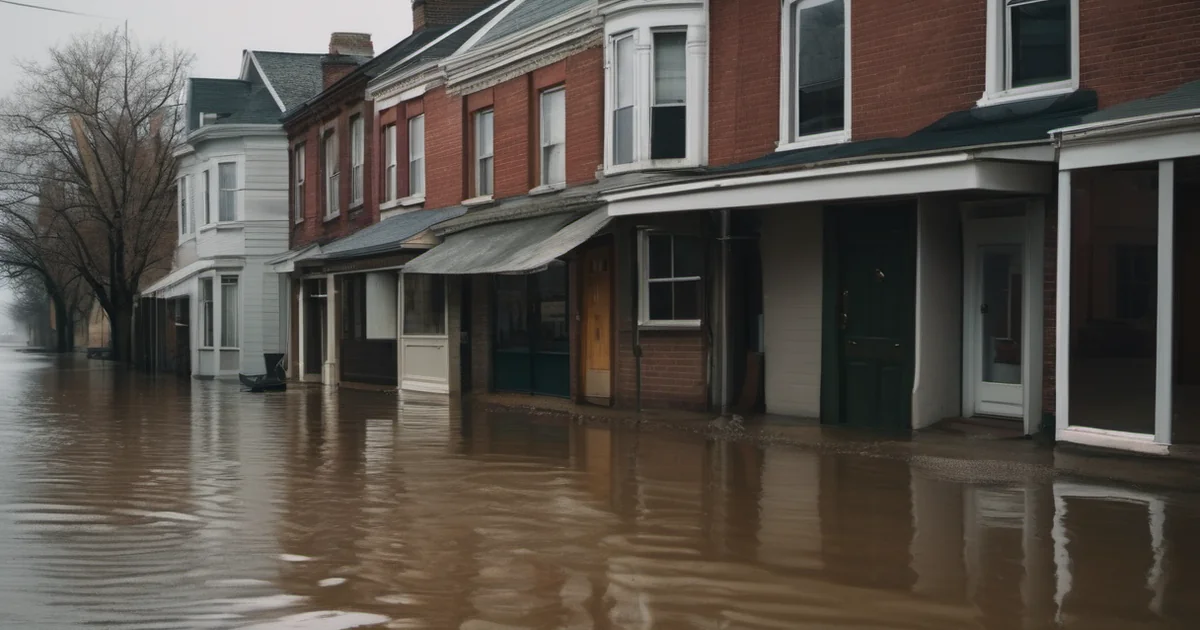
After: Stay inside until officials say it is safe. Avoid downed power lines (assume every line is live), do not wade through floodwater (it carries sewage, chemicals, and live bacteria), and document property damage with photos before cleanup for insurance claims. The first 72 hours of recovery are the most dangerous due to carbon monoxide poisoning from indoor generator use — read our solar vs gas generator guide first.
Hurricane preparation checklist
- Water: One gallon per person per day for at least 7 days (FEMA standard for hurricane-prone areas). For a family of four that means 28 gallons minimum — store in BPA-free containers, not milk jugs (which biodegrade).
- Food: Non-perishable, no-cook options like canned protein, peanut butter, granola bars, and shelf-stable milk. Manual can opener. See our 72-hour survival bag checklist.
- Power: Portable power station 1000-2000Wh, solar panel for recharge, battery-powered NOAA Weather Radio, multiple flashlights (headlamps preferred), backup phone chargers.
- Documents: Insurance policies, deed/lease, IDs, medical records in a waterproof container. Photograph everything on your phone with cloud backup.
- Cash: $200-500 in small bills. ATMs and card readers fail when the grid goes down (every major hurricane proves this).
- Medical: 14-day supply of prescription medications, first aid kit with trauma supplies, sunscreen and bug spray (mosquito-borne illness spikes after flooding).