About EmergencyKitLab
Practical emergency preparedness tools for families across the United States. No fear-mongering, no complications.
Why we built EmergencyKitLab
When Hurricane Harvey stalled over Houston in 2017 and dropped over 60 inches of rain, entire neighborhoods were submerged. Thousands of families had no plan, no supplies, and nowhere to go. The same story repeated with Winter Storm Uri in 2021 when 4.5 million Texas homes lost power for days in freezing temperatures. These events made one thing clear: emergency preparedness should not be complicated or scary. It should be a practical tool available to every family.
The problem we found
We looked for information on how to put together an emergency kit and found two extremes: dense government documents on one hand, and doomsday prepper content on the other. Something was missing in between — a tool that tells you exactly what you need, how much, and where to buy it, customized for your real situation.
That is how EmergencyKitLab was born. A free planner that builds your emergency plan in minutes, based on official sources and with real products you can buy today.
Our experience
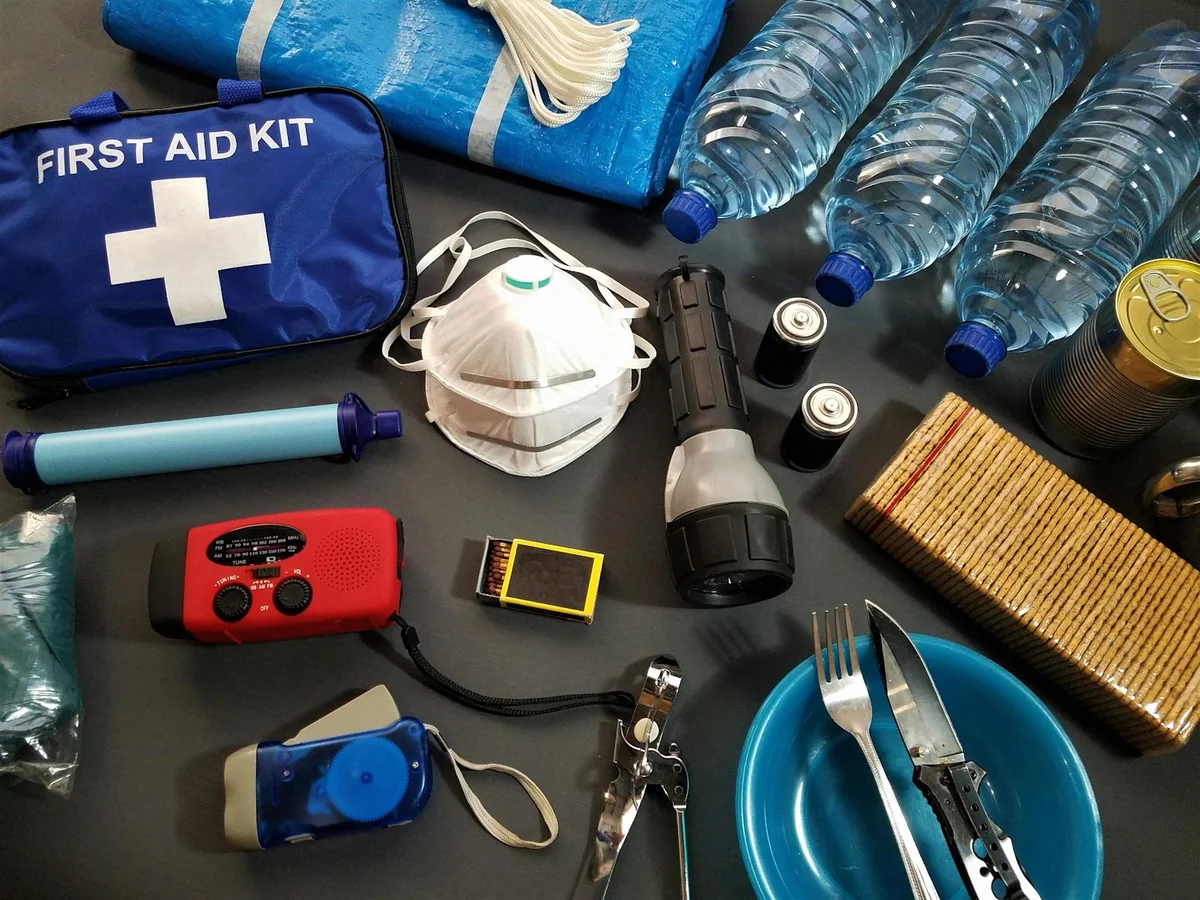
After a severe storm caused a four-day power outage, our family had to manage without refrigeration, reliable mobile service or nearby shops. Stored water, a NOAA weather radio, flashlights, shelf-stable meals and backup power kept us informed and allowed us to remain safely at home.
What we learned
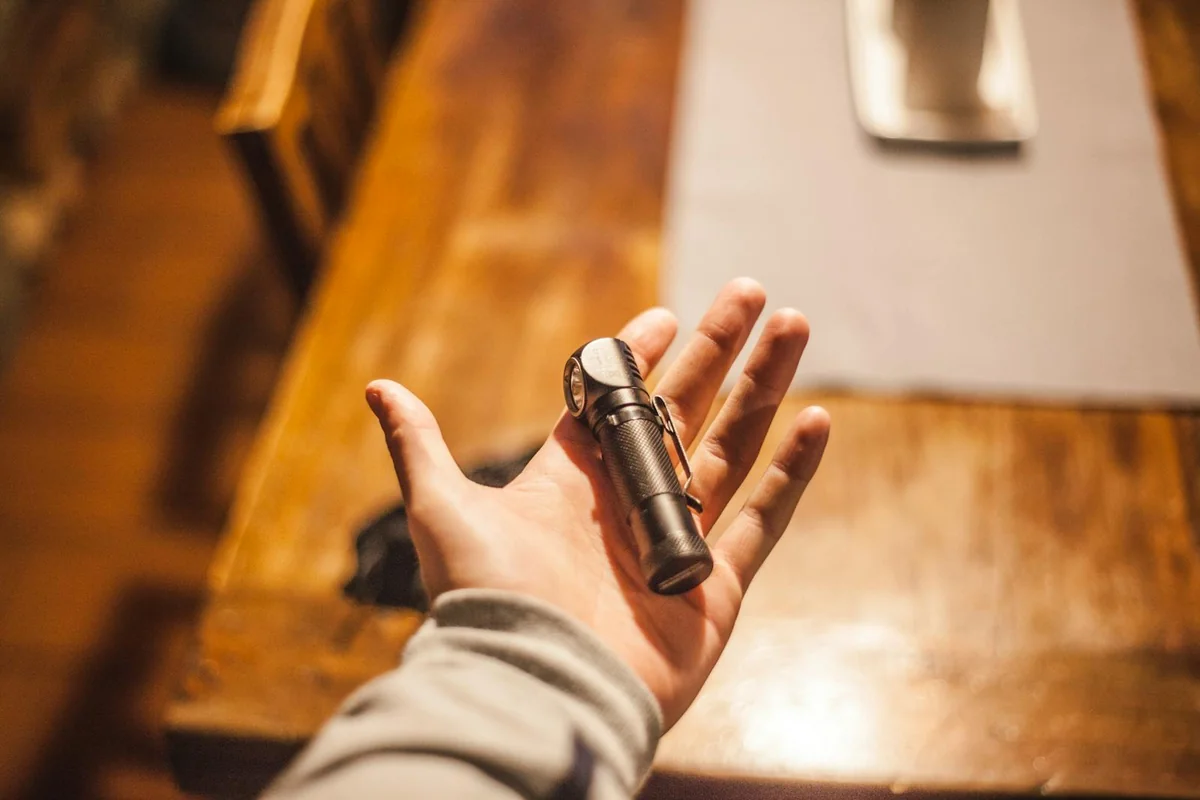
That outage showed us that preparedness in the United States cannot follow a single national checklist. A Gulf Coast hurricane, a Western wildfire and a Midwest winter storm require different plans. We have since tested more than 40 emergency products across blackout simulations, road trips, camping conditions and family evacuation drills.
EmergencyKitLab US grew from that region-by-region approach. We maintain separate shelter-in-place, evacuation and vehicle kits, updating them as seasonal risks change. Products are personally tested or evaluated against FEMA Ready, NOAA National Weather Service, CDC and American Red Cross guidance before we recommend them.
Editorial transparency: EmergencyKitLab earns commission when you purchase through Amazon links. That is why we can tell you when the cheap option is enough and when it is worth paying more. We verify every recommendation against official sources (FEMA, WHO, Red Cross) and with our own real-world testing.
Our methodology
All quantities calculated by the EmergencyKitLab planner are based on recommendations from internationally recognized official sources. We do not make up numbers: we apply them to your specific situation.
Federal Emergency Management Agency (FEMA)
Official guides on personal emergency preparedness, checklists, and recommendations for household readiness.
World Health Organization (WHO)
Standards for drinking water, emergency nutrition, and hygiene in crisis situations.
American Red Cross
First aid protocols, emergency kits, and disaster response guidelines.
Centers for Disease Control and Prevention (CDC)
Public health guidance for pandemics, biological threats, and environmental emergencies.
Our calculation engine uses these standards and adjusts them for the number of people, plan duration, emergency scenario, your region’s climate, and your family’s special needs (infants, elderly, pets). The result is a list with exact quantities, not generic estimates.
How we select products
Every product in our catalog meets strict criteria before we recommend it:
Minimum 4-star rating
We only include products with at least 4 stars out of 5 and a significant number of reviews on Amazon.
Verified availability
Every product is checked for availability and Prime shipping. We remove products that go out of stock.
Hands-on assessment
Whenever possible, we test or review the products ourselves. Our picks come from real-world experience, not just spec sheets.
3 budget tiers
We offer Basic, Standard, and Premium options for every category so you can prepare regardless of your budget.
Transparency
We believe trust is built through honesty about how this project works.
Revenue model
EmergencyKitLab participates in the Amazon Associates Program. When you purchase through our links, we earn a small commission at no extra cost to you. This model lets us offer the tool completely free.
Editorial independence
Recommendations are based exclusively on the engine calculations and each product’s rating, never on the commission we receive. The engine selects products by category, budget tier, and rating. There are no sponsored products or paid placements.
If a product no longer meets our criteria (drops below 4 stars, loses Prime availability, or becomes disproportionately expensive), we replace it with a better alternative.
The Editor
Michael Carter
Emergency preparedness editor · United States
I write for American households that need a realistic plan for severe weather, wildfires and extended power outages. Because risks differ sharply by state, I start with local alerts and evacuation guidance, then test the water, lighting, communications and backup-power gear families actually depend on.
- Reviewed household lessons from Gulf Coast hurricanes, Western wildfire evacuations and the February 2021 winter storm
- Tested emergency water storage, NOAA weather radios, solar chargers, power stations and vehicle kits
- Maintains separate shelter-in-place and evacuation kits, updated for seasonal hazards
Our editorial process
Every article we publish on EmergencyKitLab follows a rigorous creation process. We do not copy generic recommendations: we want you to trust what you read.
Research from official sources
Every claim is cross-referenced with FEMA, the Red Cross, the WHO, and the CDC before publication.
Testing with real products
We do not recommend anything we have not personally used or evaluated. Products are tested under real conditions, not just from spec sheets.
Regular updates
Articles are revised to update discontinued products, changed prices, and new information from official sources.
No sponsors
No manufacturer or brand pays to appear on EmergencyKitLab. Our revenue comes exclusively from the Amazon Associates Program, and recommendations are independent.
Build your emergency plan
Answer a few questions about your family and situation and get a personalized plan with exact quantities and recommended products. Free, no sign-up.
Build your personalized plan