Emergency preparedness in Southeast
Gulf Coast, Carolinas, and Florida. The most hurricane-prone region in the US with extreme heat, flooding, and severe thunderstorms. Hurricane Katrina in 2005 caused 1,833 deaths and $161 billion in damage (FEMA). Hurricane Ian in 2022 devastated southwest Florida with 150 mph winds (NHC). The Southeast has the highest heat-related death rate in the country (CDC).
Create my emergency plan — FreeFree · No signup · 5 minutes
Why prepare in Southeast?
Hurricane Katrina
Category 5 hurricane that devastated the Gulf Coast, particularly New Orleans. Levee failures caused catastrophic flooding. 1,833 deaths and $161 billion in damage.
Hurricane Ian
Category 4 hurricane that struck southwest Florida with 150 mph winds and catastrophic storm surge. Over 160 deaths and $110 billion in damage.
Hurricane Harvey
Stalled tropical system that dropped over 60 inches of rain on the Houston area over 4 days. Over 30,000 people displaced and $125 billion in damage.
These events are real and recent. Preparing ahead of time lets you react calmly and protect your family when it matters most.
Would your family be ready today?
In less than 5 minutes you will know exactly what you need: water, food, gear and communications based on the number of people and the risks in your area.
Find out what I needFree · No signup · 5 minutes
Gear checklist for Southeast
Drinking water for 7 days (1 gal/person/day)
Hurricanes can contaminate water supplies for weeks
Go-bag always ready
Mandatory evacuations can be issued with hours of notice
Battery-powered radio and power bank
Cell towers and power grids fail during major hurricanes
Waterproof document bag
Storm surge and flooding can reach miles inland
First aid kit and personal medications
Hospitals and pharmacies may be inaccessible for days after a storm
Plywood or hurricane shutters
Flying debris is the leading cause of hurricane injuries
The planner adjusts quantities, categories and products based on the number of people, duration and the specific risks of your area.
Calculate exactly what my family needsFree · No signup · 5 minutes
Recommended products for Southeast
Selection based on the specific risks of this area.
Products selected by our team · Based on official sources (FEMA, Red Cross)
The product selection below is based on the analysis of the specific risks of Southeast and on the experience of emergency preparedness specialists. Every product was chosen for its reliability in real conditions, not just for the manufacturer specs.
Before you buy, evaluate which categories are priority for your family situation: the number of people, the presence of children or older adults, and whether your plan includes staying home or evacuating completely change the needs. Our free planner calculates the exact quantities for your case in less than five minutes.
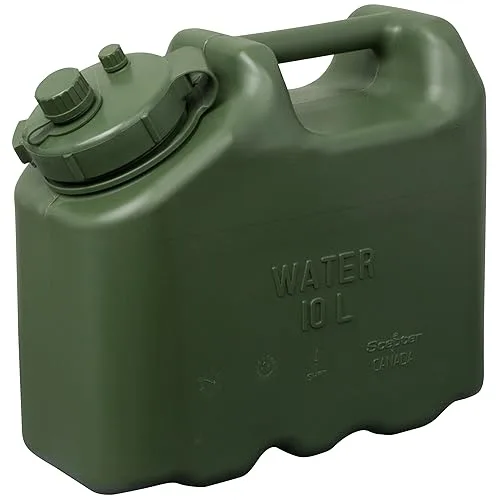
water-filtration
Scepter 2.5 Gallon True Military BPA Free Water Container, Food Grade Water Jug for Camping and Emergency Storage, Green
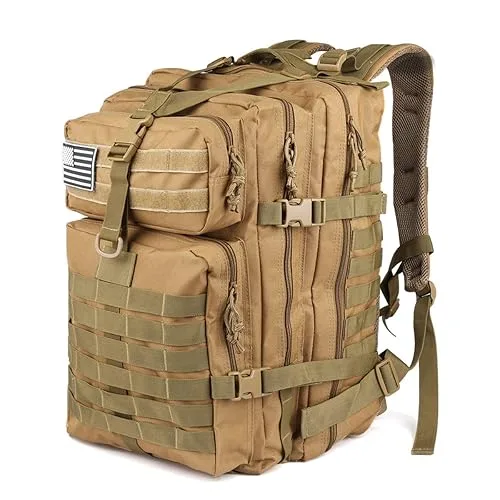
backpacks-kits
ROARING FIRE Tactical Backpack, Expandable Molle Backpack for The Outdoor, Hiking, 3 Day Pack, Bug Out Bag,
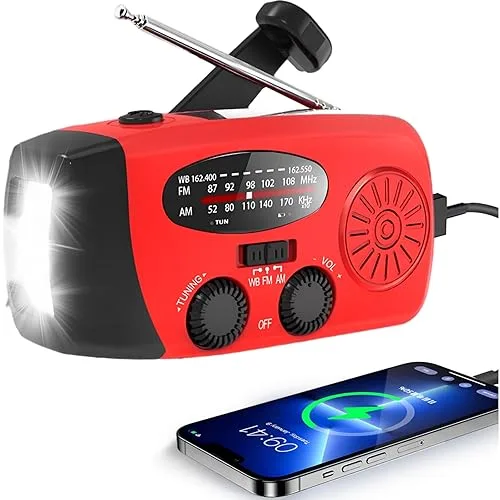
communication
Solar Hand Crank Emergency Weather Radio,NOAA/AM/FM Portable Radio with 3 LED Flashlight 2000mAh Power Bank Cellphone Ch
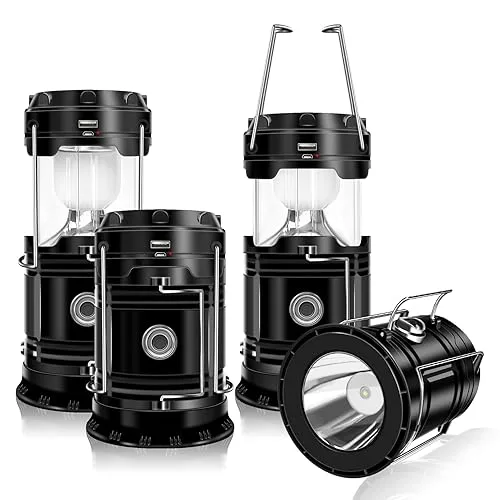
power-lighting
DIBMS 4-Pack Solar Camping Lantern, Collapsible LED Solar USB Rechargeable Lantern Flashlight Emergency Hanging Lights f
These products are a starting point, not a definitive list. Your family's real needs depend on factors only you know: allergies, chronic medication, pets, reduced mobility or the presence of young children.
Use our planner to get a personalized list that takes all those factors into account and adjusts the quantities to the exact number of people and days you want to cover.
Affiliate links. If you buy through them, we receive a small commission at no extra cost to you. Read our affiliate policy.
Frequently asked questions about Southeast
When is hurricane season?
How much water do I need for a hurricane?
Should I evacuate or shelter in place?
Other risk areas in the US
Northeast
Blizzards and nor'easters, Coastal flooding and storm surge
Midwest
Tornadoes and severe storms, Ice storms and blizzards
Southwest
Extreme heat and drought, Flash floods
West Coast
Earthquakes, Wildfires
Mountain West
Wildfires, Heavy snowfall and avalanches
Pacific Islands
Hurricanes and tropical storms, Tsunamis
Protect your family in Southeast — in less than 5 minutes
Our planner generates a personalized plan with shopping list, exact quantities and recommended products for the risks of your area. Free, no signup.
Create your plan for Southeast