Prepare for a Pandemic
The COVID-19 pandemic showed that supply chains can break down overnight. In March 2020, store shelves across the US were stripped bare of essentials: toilet paper, hand sanitizer, canned goods, and medications became impossible to find. Hospitals were overwhelmed, and millions of families were unprepared for weeks of lockdown.
The CDC and FEMA recommend maintaining at least a two-week supply of food, water, medications, and hygiene products. A pandemic kit is not about hoarding — it is about having enough so you do not need to leave your home during the critical early days of an outbreak.
Lessons from COVID-19 and what to do differently
The first 14 days matter most: During the initial spread of a respiratory pandemic, the most effective protection is staying home. The CDC documented in 2020 that early adopters of household isolation had measurably lower infection rates than households that continued normal grocery runs. The goal of a pandemic kit is to give your family the OPTION to shelter for 14-21 days without leaving the house — not because you must, but so you can choose based on local conditions.
Medications and chronic care: A key failure point during COVID-19 was insulin, blood pressure medication, and inhaler shortages within weeks of the outbreak. The FDA and ASPR (Administration for Strategic Preparedness and Response) now recommend a 30-90 day supply of any prescription medication. Work with your doctor and pharmacist now to build this buffer — many insurance plans allow 90-day mail-order refills.
Information hygiene: The 2020-2021 period demonstrated how misinformation can be more dangerous than the virus itself. Bookmark the CDC (cdc.gov), your state health department, and one or two reputable medical journals (NEJM, JAMA) for evidence-based updates. Avoid social media as a primary source during a fast-moving outbreak. Read our family emergency kit guide for shelf-stable food strategies.
Pandemic kit essentials (2-week minimum)
- Food: 14-21 days of shelf-stable food per person. Mix variety: canned proteins, rice, pasta, dried beans, peanut butter, crackers, shelf-stable milk, vitamins. Rotate annually so nothing expires.
- Water: 14 gallons per person minimum (1/day). Municipal water may not be disrupted in a pandemic, but having it removes one trip to the store.
- Prescription medications: 30-90 day buffer. Talk to your doctor about extended supplies. This is the most critical and most overlooked item.
- OTC medications: Fever reducers, cough suppressants, decongestants, anti-diarrheals, electrolyte solutions, rapid antigen tests. These vanish from shelves in the first 48 hours of an outbreak.
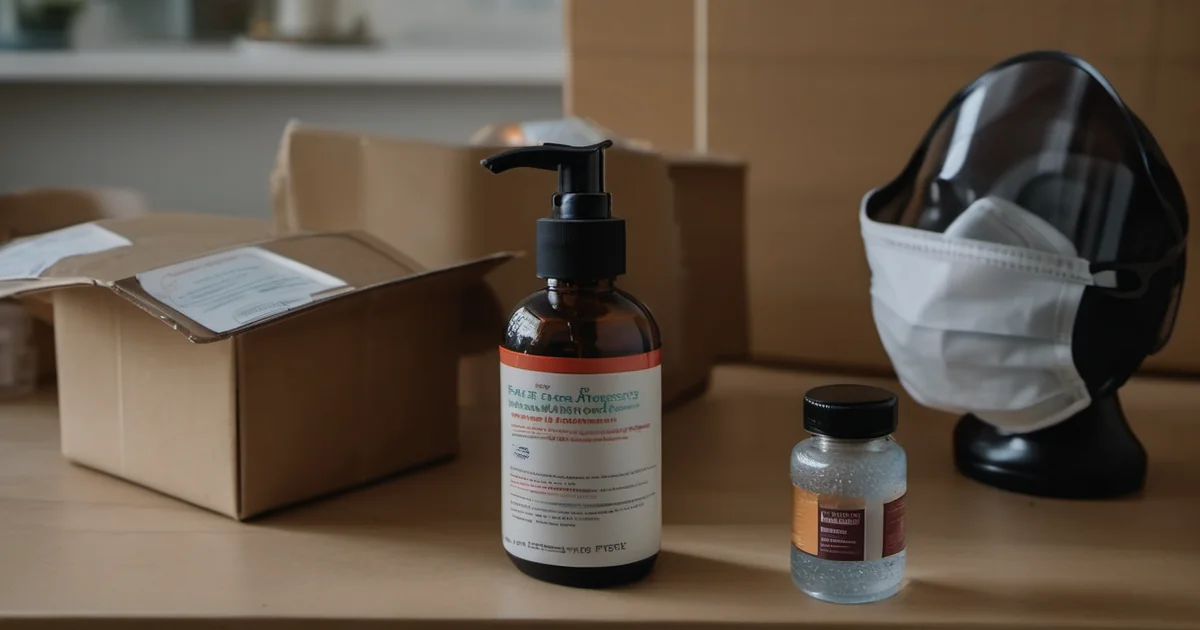
- PPE: N95 or KN95 masks (100+ per person for 14 days), nitrile gloves, hand sanitizer (60%+ alcohol), surface disinfectant, no-touch thermometer, pulse oximeter.
- Hygiene: Toilet paper (4+ rolls per person/14 days), feminine products, soap, laundry detergent. The "toilet paper panic" of 2020 was a real supply chain breakdown.
- Children and pets: Diapers (2-week supply), formula, baby food, pet food, pet medications. These are often forgotten until shelves empty.