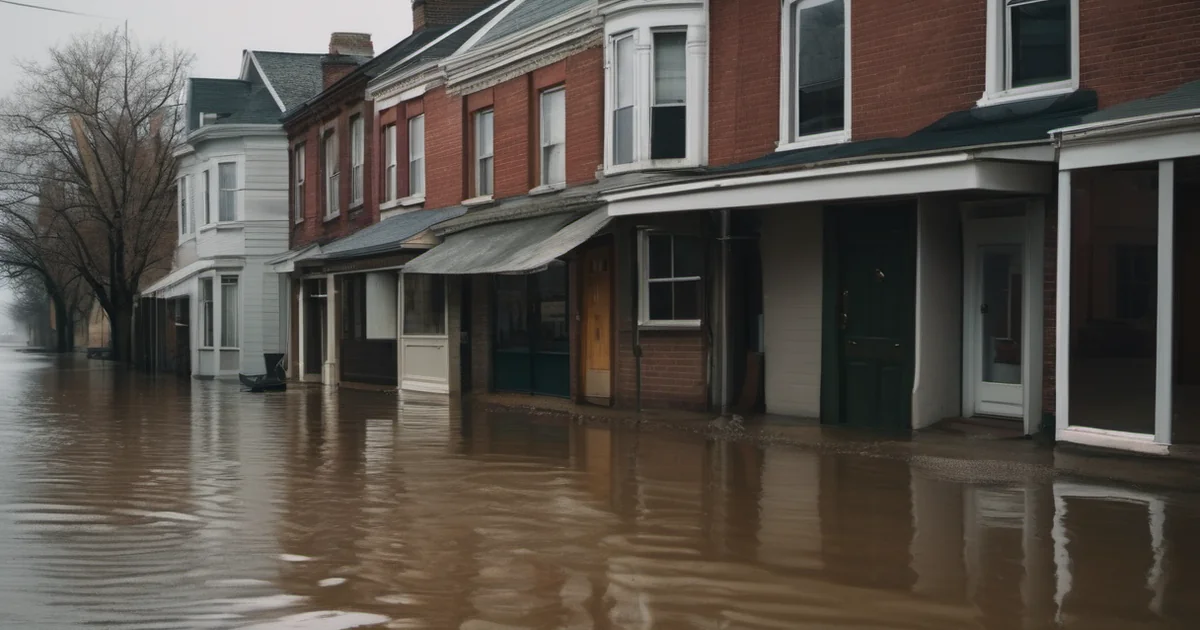
Prepare for a Flood
Flooding is the most common natural disaster in the United States. Flash floods can turn a dry creek bed into a raging torrent in minutes. The 2016 Louisiana floods inundated 146,000 homes, and the 2023 Vermont flooding caused catastrophic damage to communities that had never flooded before.
Six inches of moving water can knock you off your feet. Two feet can float a car. FEMA stresses that everyone should know their flood risk, have waterproof document storage, and keep a kit ready for rapid evacuation.
Before, during, and after a flood
Know your flood risk: Visit msc.fema.gov to look up your address on the Flood Insurance Rate Map. Even if you are NOT in a FEMA-designated flood zone, more than 20% of flood claims come from low-to-moderate risk areas (FEMA data). The 2023 Vermont flooding hit towns that had never flooded in living memory. If you are in any flood zone, flood insurance is a separate policy from homeowner’s — homeowner’s does NOT cover floods, period.
When a flood watch is issued: Move valuables and important documents to the highest floor. Photograph everything on your phone with cloud backup for insurance claims. Fill clean containers with drinking water (tap water can become contaminated). Charge phones and power banks. If you live near a river or creek, monitor USGS WaterWatch (waterwatch.usgs.gov) for real-time gauge data. Park vehicles uphill if possible.
Never drive through floodwater: The NWS slogan is "Turn Around, Don’t Drown" because more than half of US flood deaths involve people in vehicles. Six inches of moving water can cause loss of control. Two feet of moving water can sweep away most vehicles, including SUVs and pickups. If your car stalls in rising water, get out immediately and climb to higher ground. Read our 72-hour evacuation bag guide for what to grab when you have minutes to leave.
Flood preparedness checklist
- Waterproof document bag: Insurance policies, IDs, deeds, medical records, family photos backed up to cloud. Many flood victims lose irreplaceable paperwork.
- Flood insurance policy: NFIP (National Flood Insurance Program) policies have a 30-day waiting period — you cannot buy it the day before a storm. Check today.
- Battery-powered NOAA Weather Radio: Flash flood warnings come via cell phone Wireless Emergency Alerts, but cell service often fails during severe storms.
- Water: 1 gallon per person per day for 7 days minimum. Floods routinely contaminate municipal water systems, triggering boil-water advisories that last weeks.
- Rubber boots, gloves, N95 masks: For post-flood cleanup. Floodwater contains sewage, chemicals, and bacteria. Mold blooms within 48 hours of water exposure.
- Sump pump and battery backup: If you have a basement, a sump pump with battery backup is critical. Most fail when power goes out during the very storm that triggers flooding.
- Sandbags: Pre-positioned sandbags at doors and basement vents can buy you time. Many cities offer free sandbags during flood watches.