First Aid Kit
Wound care, basic medications, and medical supplies for emergency situations.
Complete guide to building an emergency first aid kit →
Recommended products
Products reviewed by the EmergencyKitLab team using civil protection and Red Cross guidance as baseline references
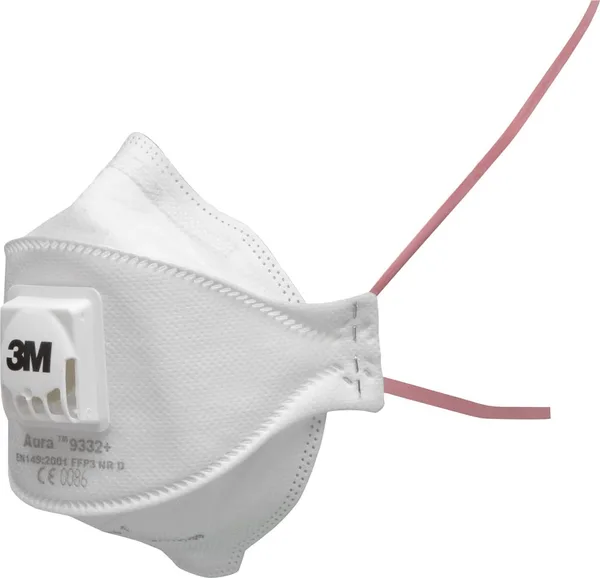
3M Aura 9332+ FFP3 Respirator with Cool Flow Valve Pack 10 Units
3M
Verified brand3M foldable FFP3 respirator with Cool Flow valve to reduce heat sensation during prolonged use. CE 0086 certified (European notified body), EN 149:2001+A1:2009 NR D. Equivalent operational level to NIOSH N99/N100. Filters ≥99% of dense smoke from a nearby wildfire, concentrated volcanic ash, or mold dust during flooded basement cleanup. 10-pack sufficient for the extreme scenarios of a family for several years.
4.1 (320)
Fast Prime shipping
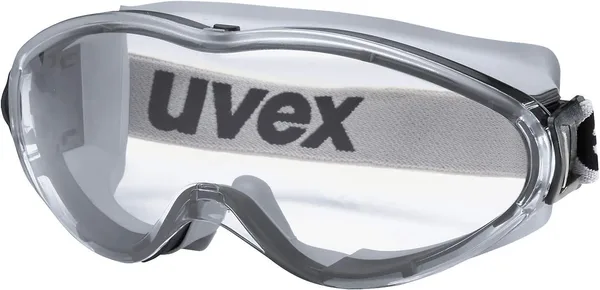
Uvex 9302 Ultrasonic Sealed Safety Goggles EN 166 Anti-Fog
Uvex
Uvex panoramic safety goggles with full facial seal and adjustable elastic strap. Compliant with EN 166 and EN 170 (European equivalents to ANSI Z87.1+). Supravision extreme anti-fog interior and anti-scratch exterior coating. Wearable over prescription glasses (no need to give up vision for protection). 1,185 reviews on Amazon with 4.5 stars, German manufacturer of industrial eye protection. For cleaning with bleach, dust after flooding, splashes of contaminated water, or wildfire smoke evacuation.
4.5 (1,185)
Fast Prime shipping
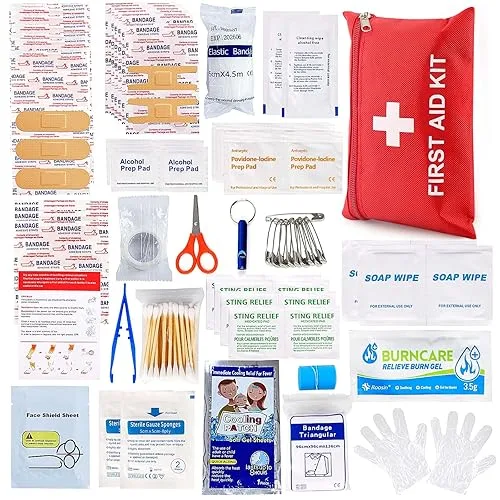
First Aid Kit for Home Car Travel 107 Piece Emergency Kits for Hiking Camping Small Trauma Kit for Boat Vehicle Lightwei
First Aid Kit for Home Car Travel 107 Piece Emergency Kits for Hiking Camping Small Trauma Kit for Boat Vehicle Lightweight Compact Pocket Aid Kit for Sports Outdoor Survival
4.8 (966)
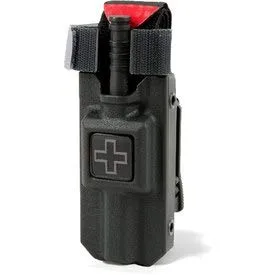
CAT + Rigid Tourniquet Case Value Combo
CAT + Rigid Tourniquet Case Value Combo
4.7 (975)
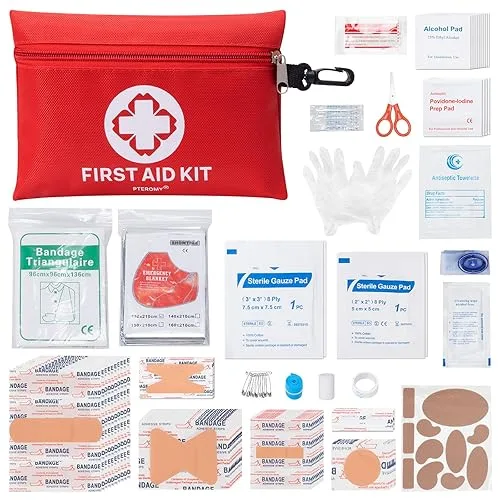
PTEROMY 150 Piece Mini First Aid Kit, Portable Small Emergency Kits Compact 1st Aid Kit for Car, Travel, Home, Camping,
PTEROMY 150 Piece Mini First Aid Kit, Portable Small Emergency Kits Compact 1st Aid Kit for Car, Travel, Home, Camping, Outdoor, Hiking
4.8 (926)
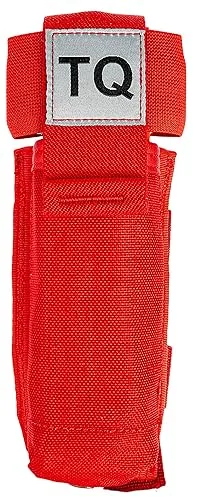
North American Rescue C-A-T Tourniquet Holder NAR CAT Gen 6, Gen 7 Tactical TQ Pouch MOLLE Connectors for Duty Belt, Gea
North American Rescue C-A-T Tourniquet Holder NAR CAT Gen 6, Gen 7 Tactical TQ Pouch MOLLE Connectors for Duty Belt, Gear, Vest
4.5 (881)
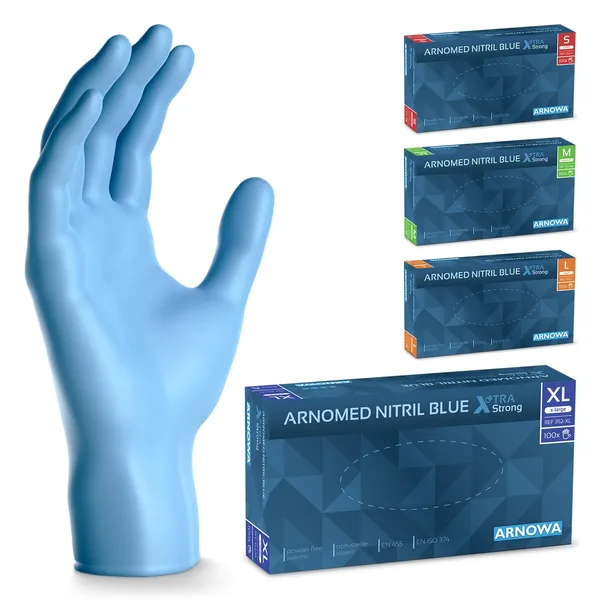
ARNOMED Heavy-Duty Nitrile Gloves Extra Strong 50% Thicker Size XL Pack 100
ARNOMED
Reinforced blue nitrile disposable gloves (approximately 6 mil thickness vs 3-4 mil standard nitrile), powder-free and latex-free. Compliant with EN 455 and EN 374, German medical-grade brand. Withstand cleanup of mud with glass after a flood or handling of spoiled food 48 hours into a blackout without ripping on first use. Box of 100 units, size XL, blue color.
4.4 (883)
Fast Prime shipping
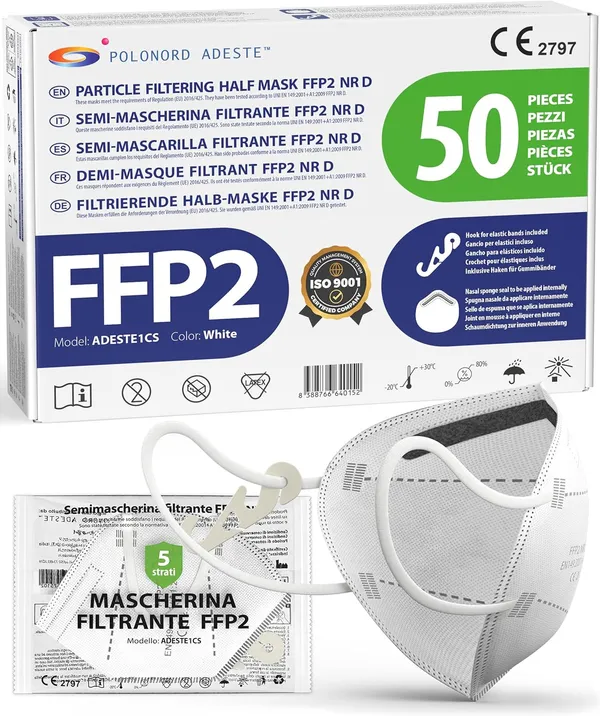
FFP2 / N95-equivalent Respirator Mask CE Pack 50 Units
FFP2 respirator masks with European CE marking (EN 149). Equivalent filtration to NIOSH N95 (≥94% filtration of PM2.5 particles from wildfire smoke, volcanic ash, dust after flooding). For a family of 4, a 50-pack covers 1-2 weeks of occasional use with 4-6 hour replacements in a serious scenario like a hurricane evacuation or wildfire smoke event in California or Oregon.
4.5 (850)
Fast Prime shipping
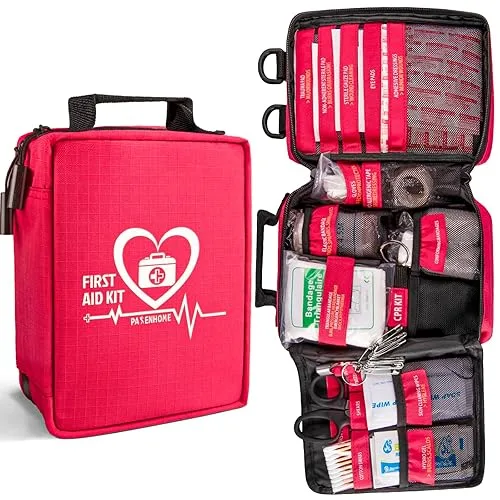
First Aid Kit, Trauma First Aid Kits with Labelled Compartments Molle System, Professional Emergency Kits for Home, Offi
First Aid Kit, Trauma First Aid Kits with Labelled Compartments Molle System, Professional Emergency Kits for Home, Office, Car, Outdoor, Hiking, Travel, Camping
4.7 (726)
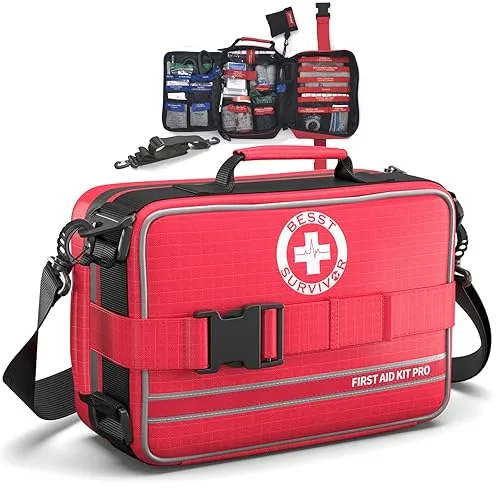
Comprehensive First Aid Kit for Home, Premium Emergency Trauma Kits with Shoulder Strap for Car Camping Gear, Waterproof
Comprehensive First Aid Kit for Home, Premium Emergency Trauma Kits with Shoulder Strap for Car Camping Gear, Waterproof Survival Kit, Home Essentials, Outdoor Emergency Medical Supplies -324 Piece
4.8 (709)
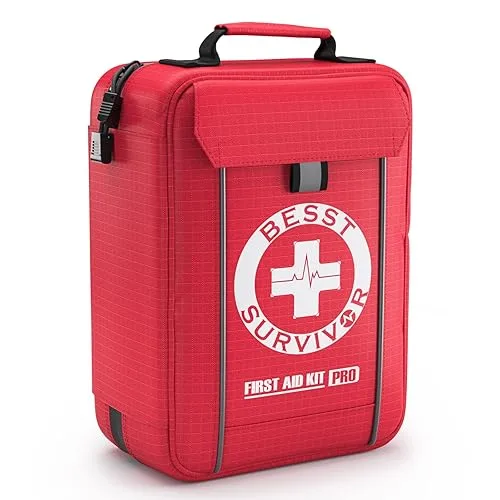
Professional Trauma First Aid Kit - Military-Grade Labelled Compartments & MOLLE System for Workplace, Outdoor, Car, Boa
Professional Trauma First Aid Kit - Military-Grade Labelled Compartments & MOLLE System for Workplace, Outdoor, Car, Boat, Hurricane Emergencies 265 Piece Emergency Necessities Kits
4.8 (709)
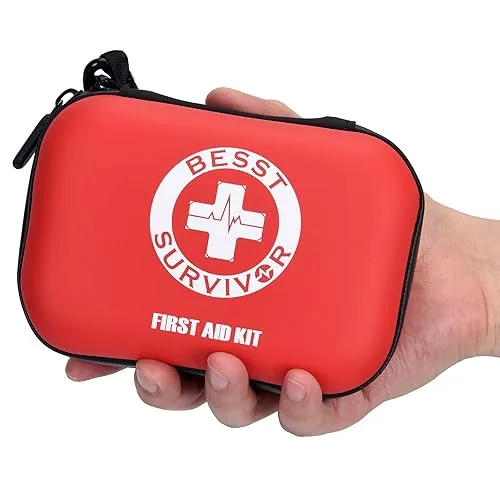
Mini First Aid Kit -Small Waterproof Hard Shell Medical Kit with Compartments for Camping, Hiking, Car, Home, Office, Sc
Mini First Aid Kit -Small Waterproof Hard Shell Medical Kit with Compartments for Camping, Hiking, Car, Home, Office, School - Vehicle & Outdoor Emergency Medical Kit (Red)
4.8 (709)
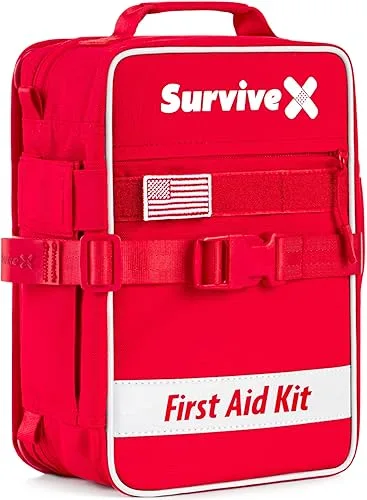
SurviveX Large First Aid Kit for Car, Travel & Home - Emergency Kit for Hiking, Camping, Backpacking and Outdoors - Incl
SurviveX Large First Aid Kit for Car, Travel & Home - Emergency Kit for Hiking, Camping, Backpacking and Outdoors - Includes Zip Stitch Wound Closure Strips
4.7 (634)
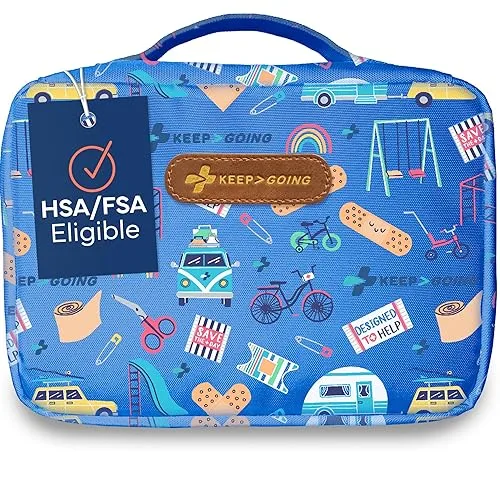
KeepGoing Large Home First Aid Kit for Kids – 270 Pc. for Car, Home, Dorm, & Boat with Latex-Free Bandages – 10 x 7 x 3.
KeepGoing Large Home First Aid Kit for Kids – 270 Pc. for Car, Home, Dorm, & Boat with Latex-Free Bandages – 10 x 7 x 3.5 in. Travel First Aid Kit (Signature)
4.9 (585)
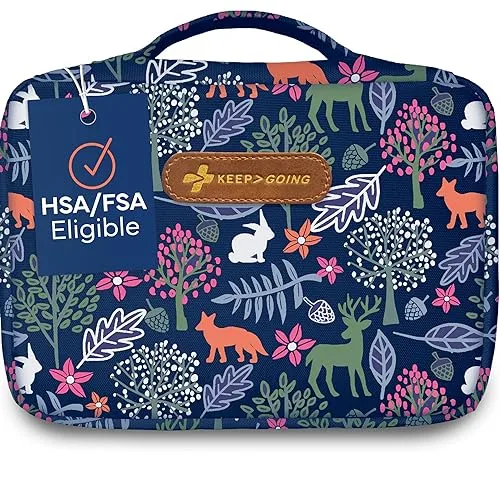
KeepGoing Large Home First Aid Kit for Kids – 270 Pc. for Car, Home, Dorm, & Boat with Latex-Free Bandages – 10 x 7 x 3.
KeepGoing Large Home First Aid Kit for Kids – 270 Pc. for Car, Home, Dorm, & Boat with Latex-Free Bandages – 10 x 7 x 3.5 in. Travel First Aid Kit (Woodland)
4.9 (585)
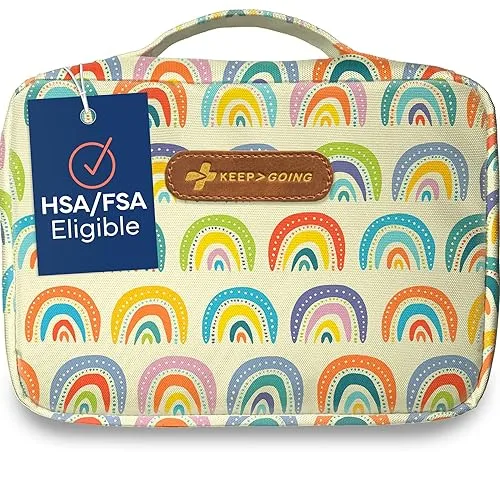
KeepGoing Large Home First Aid Kit for Kids – 270 Pc. for Car, Home, Dorm, & Boat with Latex-Free Bandages – 10 x 7 x 3.
KeepGoing Large Home First Aid Kit for Kids – 270 Pc. for Car, Home, Dorm, & Boat with Latex-Free Bandages – 10 x 7 x 3.5 in. Travel First Aid Kit (Sunny Rainbow)
4.9 (585)
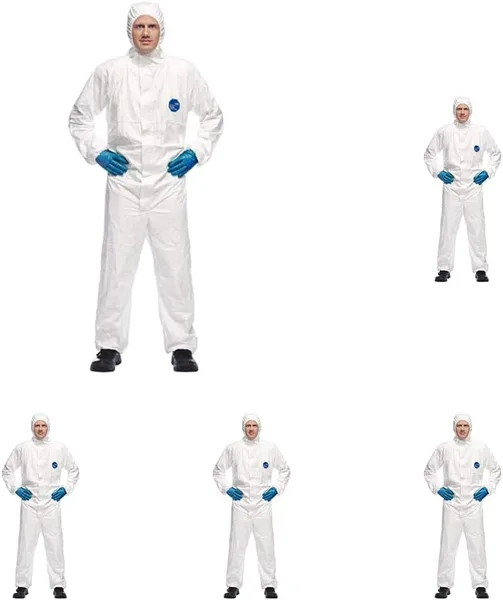
DuPont Tyvek 500 Xpert Coverall Category III Type 5/6 with Hood Size XL
DuPont
Disposable coverall from official DuPont (no clone) with integrated hood. Category III, Type 5-B (particles) and Type 6-B (splashes), EN 14126 standard for biological protection (US equivalent ASTM F1671 for blood-borne pathogens). For flooded basement cleanup after hurricane or storm surge, mold remediation, or rodent-infested cabin/garage cleanup (hantavirus risk per CDC, especially in the Four Corners region). Size XL, lightweight, breathable but liquid-impermeable.
4.3 (614)
Fast Prime shipping
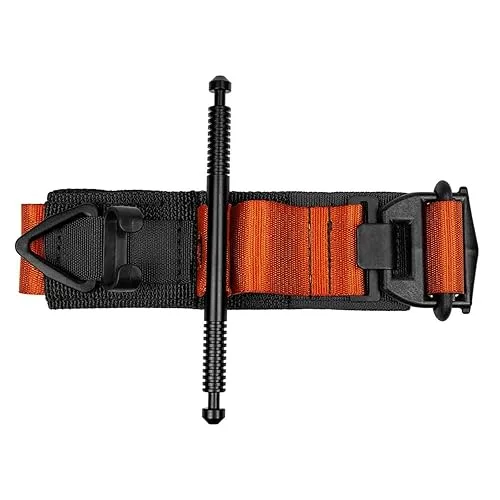
SOF Tourniquet (Generation 5) - Military-Grade Tourniquet for Severe Bleeding Control, Essential First Aid for Tactical,
SOF Tourniquet (Generation 5) - Military-Grade Tourniquet for Severe Bleeding Control, Essential First Aid for Tactical, Emergency, and Civilian Use (Orange), TacMed Solutions
4.8 (469)
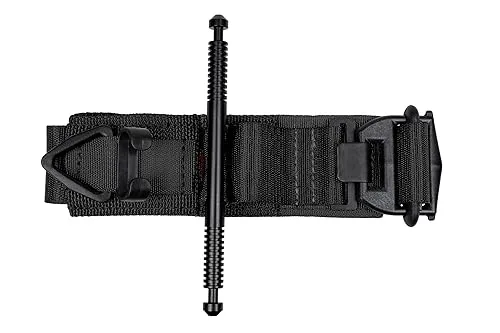
SOF Tourniquet (Generation 5) - Military-Grade Tourniquet for Severe Bleeding Control, Essential First Aid for Tactical,
SOF Tourniquet (Generation 5) - Military-Grade Tourniquet for Severe Bleeding Control, Essential First Aid for Tactical, Emergency, and Civilian Use (Black), TacMed Solutions
4.8 (469)
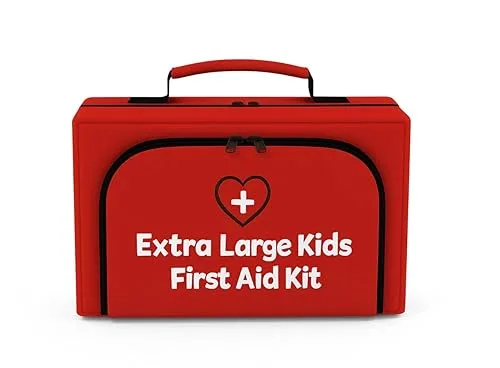
Family First Aid & CPR Kit - Emergency Medical Kit for the Entire Family, Child, Kids, and Youth. Perfect for Camping, T
Family First Aid & CPR Kit - Emergency Medical Kit for the Entire Family, Child, Kids, and Youth. Perfect for Camping, Travel, Car, Hiking, Sports, Outdoor, and Home - First Aid Guide Life Safety Pro
4.9 (339)
The links above are affiliate links. If you purchase through them, we earn a small commission at no extra cost to you. We only recommend products we use or have reviewed ourselves. Learn more →
first aid kit comparison
| Product | Rating | Weight | Shelf life |
|---|---|---|---|
| 3M Aura 9332+ FFP3 Respirator with Cool Flow Valve Pack 10 Units3M | ★ 4.1 (320 reviews) | 250 g | 60 mo |
| Uvex 9302 Ultrasonic Sealed Safety Goggles EN 166 Anti-FogUvex | ★ 4.5 (1185 reviews) | 150 g | — |
| First Aid Kit for Home Car Travel 107 Piece Emergency Kits for Hiking Camping Small Trauma Kit for Boat Vehicle Lightwei | ★ 4.8 (966 reviews) | — | — |
| CAT + Rigid Tourniquet Case Value Combo | ★ 4.7 (975 reviews) | — | — |
| PTEROMY 150 Piece Mini First Aid Kit, Portable Small Emergency Kits Compact 1st Aid Kit for Car, Travel, Home, Camping, | ★ 4.8 (926 reviews) | — | — |
| North American Rescue C-A-T Tourniquet Holder NAR CAT Gen 6, Gen 7 Tactical TQ Pouch MOLLE Connectors for Duty Belt, Gea | ★ 4.5 (881 reviews) | — | — |
Editorial verdict
If you do only one thing, choose a first aid kit option you already know how to use and keep it easy to reach. The most expensive setup is not automatically the right one. Use the EmergencyKitLab planner to size the rest of your household setup correctly.
Our planner calculates exactly what you need based on your situation, headcount, and scenario.
Build your personalized planHow to choose first aid kit: what actually matters
Emergency gear should be judged by reliability under stress, not by feature count. If it fails when power is out, hands are cold, or you are tired, the spec sheet does not matter.
Start from your real scenario: sheltering at home, evacuating quickly, covering one person, or covering a whole household. Duration, storage space, and redundancy needs change the right choice completely.
Prioritize gear you can operate without rereading instructions. Simpler setups usually beat more complex ones in real household emergencies.
EmergencyKitLab filters for practical usefulness, stable availability, and review history. That does not make every pick perfect, but it does remove a lot of low-signal catalog noise.
Common mistakes when buying first aid kit
Most purchasing mistakes are predictable. Catching them early saves money and makes the kit more usable when things go wrong.
Buying before defining the scenario
A home blackout setup, a car kit, and a go-bag solve different problems. If you skip that distinction, you usually overspend and still miss key gaps.
Assuming more gear means better preparedness
Extra items add weight, clutter, and maintenance. A smaller setup you understand is usually stronger than a larger one you never test.
Ignoring household-specific needs
Children, older adults, medications, pets, and limited storage all change what makes sense. Generic shopping lists miss those details.
Forgetting rotation and maintenance
Batteries discharge, consumables expire, and products drift to the back of a closet. If you never review the setup, it will quietly degrade.
How to maintain and rotate first aid kit
Preparedness gear is not a one-time purchase. It needs periodic review so it still works when you actually depend on it.
Tie the review to a memorable date such as the start of storm season, New Year, or a daylight-saving change. Check consumables, test powered items, and replace anything expired or damaged.
Use simple rotation rules for food, hygiene items, and medical supplies. The oldest items should be the first ones out.
The EmergencyKitLab planner is useful here too: it gives you a stable reference for how much to restock after each review cycle.