
Water Filter vs Purification Tablets: Which Is Better for
Build your personal emergency plan
Free, no sign-up, takes 5 minutes.
When your stored water runs out during an emergency, you need a way to make unsafe water drinkable. The two main options are portable water filters and purification tablets. Both work, but they solve different problems and excel in different situations.
After testing both approaches during camping trips, power outages, and family drills, here is our honest comparison.
Portable Water Filters
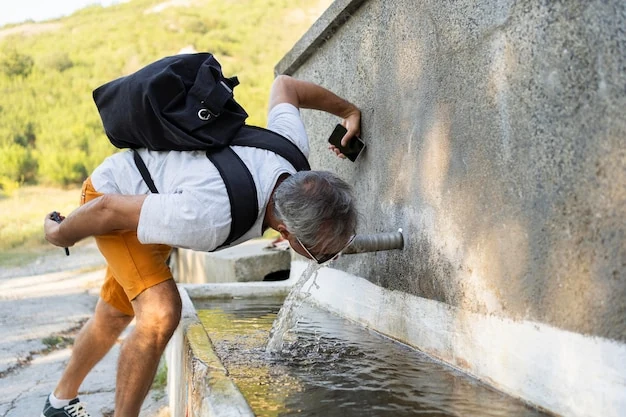
What they do: Physically strain out bacteria, protozoa, and sediment by forcing water through a membrane with microscopic pores (typically 0.1 or 0.2 microns).
Top picks:
- LifeStraw Personal ($15-20): Filters 1,000 gallons. Simple straw design. Great for go-bags.
- Sawyer Squeeze ($30-40): Filters 100,000 gallons. More versatile with squeeze bags and gravity setup.
Pros:
- Instant clean water, no waiting
- No chemical taste
- Removes turbidity (cloudy water looks and tastes clean)
- Reusable for thousands of gallons
Cons:
- Does NOT remove viruses (rarely an issue in US tap/freshwater)
- Can freeze and crack in winter
- Needs backflushing for maintenance
- Bulkier than tablets
Purification Tablets
What they do: Chemical treatment (typically chlorine dioxide or iodine) that kills bacteria, viruses, and protozoa in water.
Top picks:
- Aquatabs ($8-12 for 50): Chlorine-based, 30 minutes treatment time, neutral taste
- Potable Aqua ($10-15): Iodine-based with taste neutralizer tablets included
Pros:
- Kills viruses (filters do not)
- Extremely lightweight and compact
- Long shelf life (3-5 years)
- Cheap insurance for any kit
Cons:
- 30-minute wait time before drinking
- Slight chemical taste (especially iodine)
- Does not remove sediment or turbidity
- Limited supply (one tablet per liter)
Our Recommendation
Carry both. A filter for daily use and tablets as backup. Your primary should be a Sawyer Squeeze or LifeStraw for their capacity and convenience. Tuck a pack of Aquatabs into your kit as insurance. Total weight: under 6 oz. Total cost: under $50.
For families sheltering at home during an extended outage, a gravity-fed filter system is the most practical choice. It processes large volumes without effort. If you want a shortlist of vetted options for each method, our water and hydration gear page compares filters, gravity systems and purification tablets with verified specs and current prices.
Use our emergency planner to calculate exact water needs for your family and get product recommendations tailored to your scenario.
Sources: CDC Water Treatment Guidelines, EPA Emergency Water Disinfection, WHO Water Purification Standards
Prices are indicative and may vary on Amazon.
Looking for products mentioned in this article?
Products reviewed by our team on Amazon, all rated 4+ stars.
US emergency preparedness editorial team
The EmergencyKitLab editorial team turns US emergency guidance into practical plans for hurricanes, tornadoes, wildfires, winter storms, earthquakes and extended outages. We focus on affordable household readiness, region-specific risks and products that perform under real conditions.
Frequently Asked Questions
Can a portable water filter remove viruses?
How long do water purification tablets last?
Which is better for a go-bag: filter or tablets?
Related Articles
72-Hour Emergency Kit 2026: Checklist + Budget (Family)
EmergencyKitLab 2026 guide: complete 72-hour kit checklist from $50/person. Winter Storm Uri-tested tips + the #1 water mistake families still make.
15 min readEmergency Preparedness: The Ultimate Guide for US Families
Complete emergency preparedness guide for American families. FEMA-based checklists, real budgets, and the mistakes most people make.
18 min readEvacuation Bag: Step-by-Step Build Guide 2026
Build your evacuation bag in 6 clear steps. Which backpack to choose, what to pack, how to organize it, and the test that proves whether it actually works.
8 min read