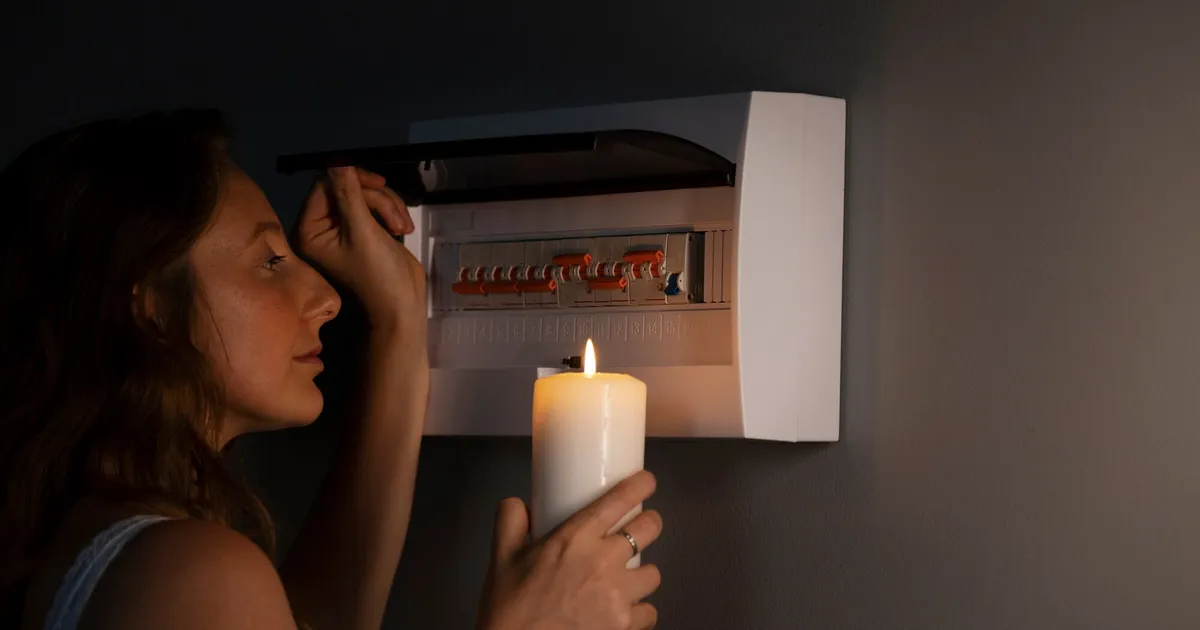
How to Prepare for a Power Grid Failure (Lessons from
Build your personal emergency plan
Free, no sign-up, takes 5 minutes.
The 2021 Texas grid collapse during Winter Storm Uri killed at least 246 people and left 4.5 million homes without electricity for days. Indoor temperatures dropped below freezing. Pipes burst. Water systems failed. People burned furniture to stay warm.
It was the most devastating power grid failure in modern US history, and it exposed how unprepared most households are for extended blackouts. Here is how to make sure your family does not face that situation unprepared.
What Happens When the Grid Goes Down
Within the first hour:
- Lights, heating/AC, and refrigerator stop
- Internet and many cell towers go down (backup batteries last 8-72 hours)
- Traffic lights fail, gas stations cannot pump
Within 24 hours:
- Refrigerated food begins to spoil (4 hours without opening, 48 hours for a full freezer)
- Phone batteries die
- In winter: indoor temps drop toward outdoor temps
Beyond 72 hours:
- Water systems may fail (pumps need electricity)
- Grocery stores close
- Medical emergencies become life-threatening without power for devices
The Power Outage Kit
Tier 1 — Basic ($50-75):
- LED flashlight per person + spare batteries
- Power bank 20,000 mAh
- Hand-crank NOAA weather radio
- Battery-powered lantern for common area
- Candles and matches (use with caution)
Tier 2 — Standard ($200-350):
- All of Tier 1
- LED headlamp per person
- Portable power station 300Wh+
- 20W portable solar panel
- Battery-powered fan (summer) or hand warmers (winter)
Tier 3 — Premium ($500+):
- All of Tier 2
- Power station 1000Wh+ (runs small appliances)
- 100W solar panel setup
- Transfer switch for generator connection
- USB-powered LED string lights (morale matters)
Lessons from Real Blackouts
Keep your car fueled. Gas pumps need electricity. During Uri, gas stations were closed for days. Keep your tank above half at all times during severe weather season.
Cash is king. Card readers and ATMs fail immediately. Keep $200+ in small bills at home.
Insulate early. If you lose heat in winter, immediately close off unused rooms, hang blankets over windows, and gather everyone in one room. Body heat from 4 people in one room makes a real difference.
Protect your pipes. If indoor temps drop below 40 degrees F, open faucets to a slow drip and open cabinet doors under sinks. Burst pipes cause more damage than the blackout itself.
Build your complete blackout plan with our emergency planner. It calculates exact power, water, and food needs for your household.
Sources: FEMA, Texas Commission on Environmental Quality, National Weather Service, DOE Grid Security Reports
Prices are indicative and may vary on Amazon.
Looking for products mentioned in this article?
Products reviewed by our team on Amazon, all rated 4+ stars.
US emergency preparedness editorial team
The EmergencyKitLab editorial team turns US emergency guidance into practical plans for hurricanes, tornadoes, wildfires, winter storms, earthquakes and extended outages. We focus on affordable household readiness, region-specific risks and products that perform under real conditions.
Frequently Asked Questions
How long should I prepare to be without power?
Is a portable power station worth it?
Can I run my refrigerator on a portable power station?
Related Articles
72-Hour Emergency Kit 2026: Checklist + Budget (Family)
EmergencyKitLab 2026 guide: complete 72-hour kit checklist from $50/person. Winter Storm Uri-tested tips + the #1 water mistake families still make.
15 min readEmergency Preparedness: The Ultimate Guide for US Families
Complete emergency preparedness guide for American families. FEMA-based checklists, real budgets, and the mistakes most people make.
18 min read5-Day Blackout: Real Lessons from Losing Power for a Week
True account of a 5-day power outage: the mistakes we made, what saved the situation, and what we changed afterward. Honest preparedness lessons.
7 min read